
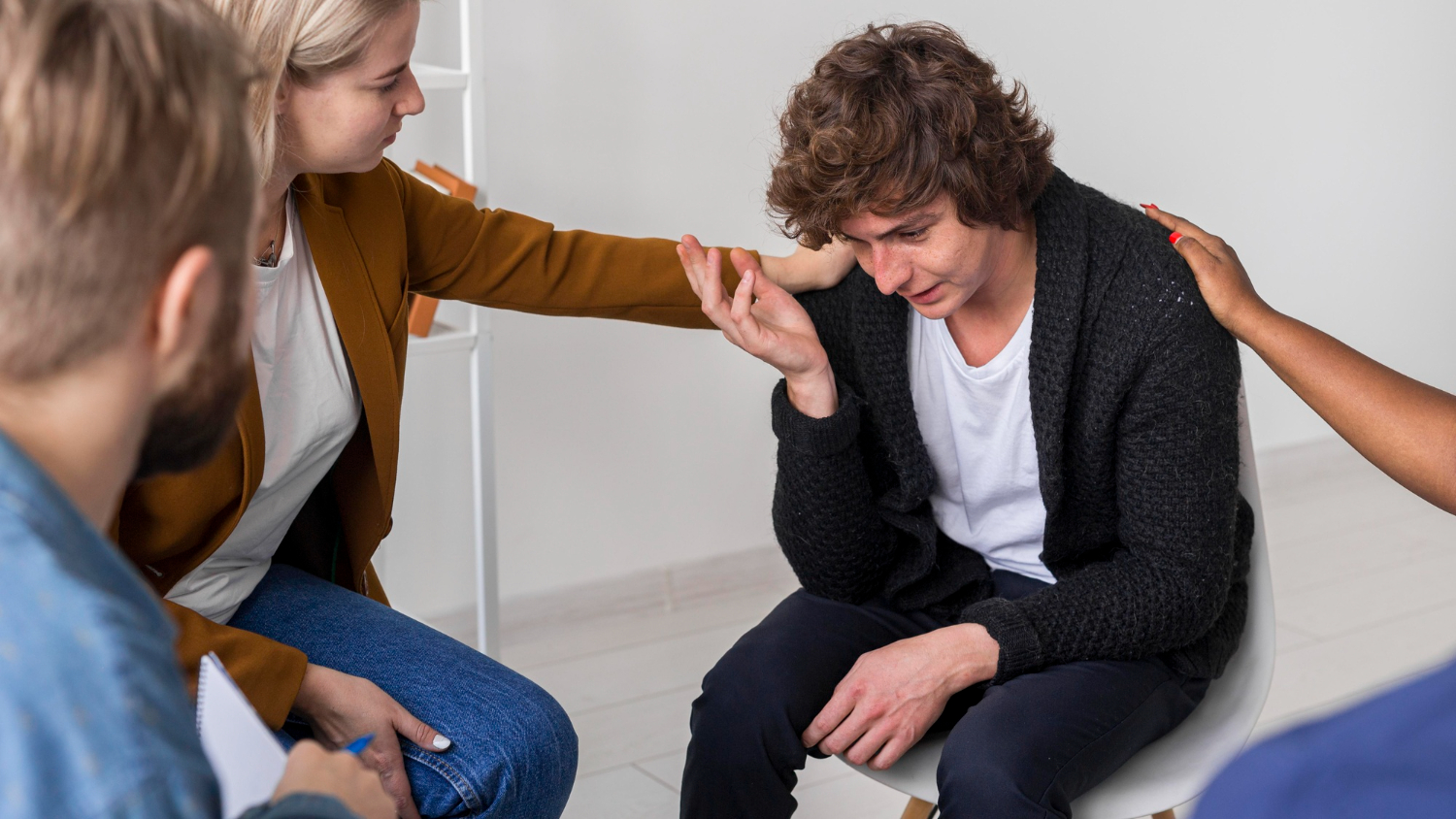
If you’re a parent reading this, chances are your heart is already heavy. You’ve seen the changes in your young adult—the distance, the mood swings, the excuses. Maybe you’ve discovered heroin use. Maybe you’re still piecing the puzzle together. Either way, you’re scared.
You’re not alone. Many families find themselves in this same frightening space, wondering how their child—who once laughed at family dinners or shared dreams for the future—ended up here. The truth is, heroin use in young adults rarely happens in a vacuum. It’s often rooted in deeper struggles: trauma, overwhelming stress, and untreated mental health conditions.
That’s why seeking support through Heroin Addiction Treatment is about more than stopping the drug. It’s about uncovering and healing the pain beneath it.
Trauma and the Need to Numb
Many young adults who turn to heroin are carrying invisible wounds. Childhood trauma, abuse, neglect, or even a single devastating experience can echo long after the moment has passed. For some, the pain doesn’t fade—it intensifies.
Heroin offers a numbing effect. It silences flashbacks, eases panic, and dulls emotions that feel unmanageable. For a hurting young adult, this can seem like relief, even survival. But the relief is temporary. Over time, heroin steals more than it gives—replacing possibility with dependency.
It’s not that your child wanted heroin. It’s that they wanted the pain to stop.
Stress and the Pressure to Cope
Young adulthood comes with a new wave of responsibilities and expectations. Choosing a career path, managing finances, navigating relationships, and stepping into independence—it’s a lot to handle, even for those with solid coping skills.
For some, this pressure feels overwhelming. The smallest setback can feel catastrophic. Without healthy ways to manage stress, heroin may enter the picture as a false solution. It promises escape, relaxation, or simply “a break” from the noise.
But the relief heroin offers is deceptive. What starts as a way to cope with stress quickly becomes a cycle that magnifies it. Soon, the drug itself becomes the source of anxiety, shame, and desperation.
Mental Health and Self-Medication
Anxiety. Depression. PTSD. Bipolar disorder. These are not uncommon in young adults—and often, they go untreated. Stigma, fear, or even lack of awareness keeps many from asking for help.
When the weight of mental illness feels unbearable, heroin may seem like the only option. This is what professionals call self-medication. To the young adult, it doesn’t feel reckless—it feels like survival. But self-medication with heroin only deepens the original pain. The cycle becomes twofold: untreated mental illness fueling drug use, and drug use worsening mental illness.
The good news is that treatment addresses both. Integrated heroin addiction treatment in San Diego often combines therapy, trauma care, and psychiatric support, giving young adults tools they’ve never had before.
Why Families Blame Themselves
As a parent, it’s natural to replay every decision, every missed sign. “Did I cause this? Was there something I could have done differently?” Guilt is heavy, and it often shadows families through the recovery journey.
But heroin use is rarely the result of one single moment, parent, or family dynamic. It’s a complex intersection of biology, environment, and emotional health. Blame doesn’t serve recovery—support does. What your child needs most now isn’t a parent drowning in guilt but one willing to walk alongside them toward healing.

What Treatment Really Means
Heroin addiction treatment is about more than detox. Detox helps with withdrawal, but true recovery requires looking beneath the surface. A comprehensive program often includes:
- Medical stabilization during withdrawal to ensure safety and comfort.
- Individual therapy to explore trauma, mental health, and coping patterns.
- Group therapy for connection and accountability.
- Trauma-informed care to address the root causes, not just the symptoms.
- Family counseling and education to help parents heal alongside their young adult.
- Relapse prevention planning to build long-term resilience.
Treatment is not about punishment or blame—it’s about creating space for healing, growth, and rebuilding relationships.
Holding on to Hope as a Parent
In the middle of crisis, hope can feel far away. But here’s the truth: many young adults who once turned to heroin for escape have gone on to live meaningful, sober lives. Recovery is possible, even when relapse or setbacks occur.
Hope for your child doesn’t require knowing the entire path ahead. It simply requires believing that change is possible—and taking the next step toward it.
A Metaphor to Hold On To
Think of heroin like a bandage slapped over a deep wound. It covers the pain for a while, but it doesn’t heal the injury. In fact, it allows the wound to worsen beneath the surface. Treatment is the process of removing the bandage, cleaning the wound, and starting real healing.
It’s not quick, and it’s not painless—but it leads to true recovery.
FAQs About Young Adults and Heroin Use
Why would my child use heroin if they know it’s dangerous?
For many young adults, heroin isn’t about chasing risk—it’s about chasing relief. They may know it’s dangerous but use it anyway because the need to numb trauma, stress, or mental illness outweighs their fear of consequences.
Is heroin use always linked to trauma or mental health?
Not always, but very often. Some young adults experiment out of curiosity or peer influence. But repeated use and dependency are almost always tied to underlying pain or mental health conditions.
How do I talk to my child without pushing them away?
Approach with compassion rather than confrontation. Use phrases like, “I’m worried about you,” instead of, “Why are you doing this?” Create a safe space for honesty. If needed, involve a professional to guide the conversation.
What if my child refuses treatment?
Refusal is common. Sometimes fear, denial, or shame keeps young adults from accepting help. As a parent, you can still seek support, attend family therapy, and stay consistent in your encouragement. Professional guidance can help you navigate resistance.
How effective is heroin addiction treatment?
Treatment is highly effective when it addresses the whole person—trauma, stress, mental health, and substance use together. Recovery is not always linear, but with ongoing care and support, long-term sobriety is possible.
What role do families play in recovery?
Families are vital. Supportive, educated parents can be a stabilizing force in recovery. Family therapy helps rebuild trust, set healthy boundaries, and teach everyone how to heal together.
Final Word: You’re Not Alone
If your young adult is struggling with heroin use, it doesn’t mean their future is lost. Trauma, stress, and mental health may explain the “why,” but treatment can offer the “what next.”
You don’t need to carry this burden in silence. With the right care, recovery is possible—not just for your child, but for your entire family.
Call (888)308-4057 or visit Heroin Addiction Treatment in San Diego, CA to learn how we can help your young adult and your family find hope again.