

You don’t expect the numbness.
Not after everything you’ve fought for. But there I was—sober, technically stable, and more disconnected than I’d ever felt during my worst days using. Coming back to PHP felt like failure at first. But it wasn’t. It was a turning point I didn’t know I needed.
This is what I wish I could go back and tell myself before I walked through those doors again.
It’s not about starting over—it’s about starting deeper.
The first lie I had to unlearn was that returning to PHP meant I’d failed. That I must’ve done something “wrong” if I needed help again.
But what I didn’t understand then—and what I know now—is that healing doesn’t move in a straight line. Sometimes you circle back because you’ve hit a new layer of pain, a deeper wound that only shows itself after the dust settles.
When I came to PHP in San Diego, I wasn’t redoing the same work. I was doing new work. Root work. The kind you’re not ready for when you’re just trying to stay alive.
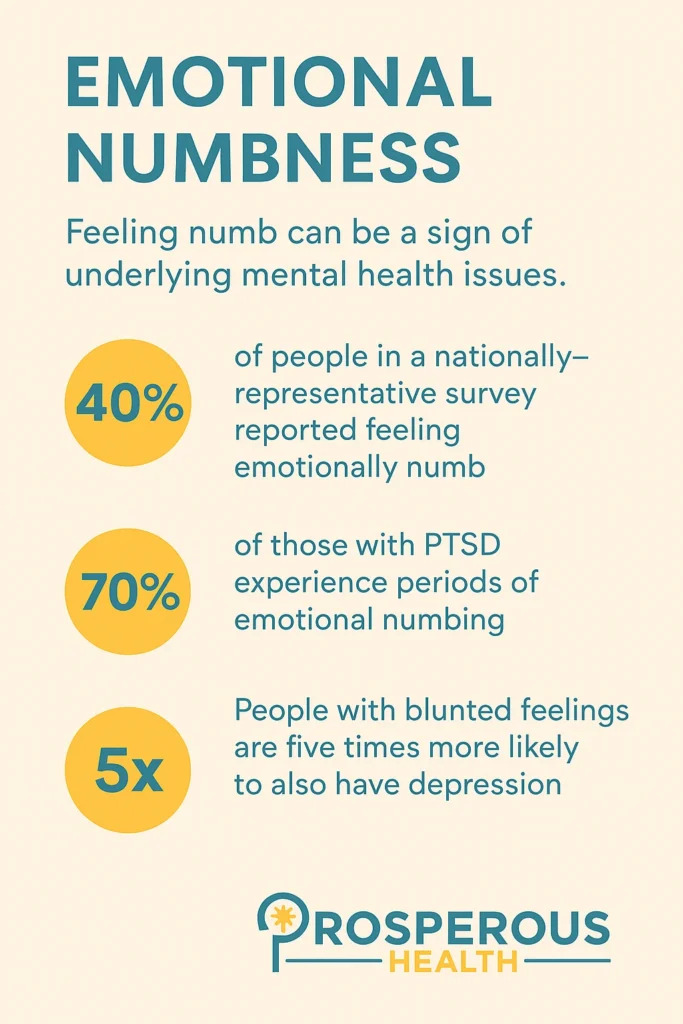
Numbness isn’t nothing. It’s pain with the volume turned down.
The truth? I didn’t relapse. I didn’t spiral. I wasn’t “in crisis” by the usual definition.
But I couldn’t feel much of anything.
And that scared me more than I wanted to admit. Because I’d worked so hard to get sober—wasn’t I supposed to feel better by now? I thought I was broken for not being grateful enough. For feeling hollow even after “doing everything right.”
Turns out, emotional numbness is still a signal. Just not one we’re taught to recognize. It’s what happens when we’ve built a life that looks stable on the outside but doesn’t make room for our interior world. And coming back to PHP gave me the tools—and the time—to finally pay attention to it.
PHP gave me structure—but it also gave me space.
There’s something incredibly powerful about showing up somewhere and being told, “You don’t have to carry all of it today.”
Returning to a structured day program like PHP gave me more than just therapy hours. It gave me breathing room. Boundaries I didn’t have to build alone. Support I didn’t have to earn.
And that mattered—especially because I’d gotten good at hiding my disconnection. High-functioning flatness is hard to spot from the outside. But inside? It’s suffocating.
PHP in Palos Verdes offered the kind of emotional scaffolding I didn’t even know I needed. It slowed everything down just enough that I could finally hear myself again.
The group won’t judge you—they’ll recognize you.
Walking back into group therapy after years away felt… complicated.
I was afraid of being the “old timer” who couldn’t keep it together. Of being seen as a cautionary tale. But that’s not what happened.
The moment I spoke, people listened. Not with pity—but with respect. Because they knew I’d been out there. They understood what it meant to come back before things collapsed.
One woman even said, “I hope I have the courage to do what you did if I start to feel like that.”
That moment broke something open for me. Coming back wasn’t weakness. It was leadership.
You’re allowed to want more than just “not using.”
This might be the most important thing I’ve learned: Staying sober is the floor, not the ceiling.
We don’t get clean just to drift. Just to numb out in new, socially acceptable ways.
If you’re in long-term recovery and still feeling stuck, it doesn’t mean you’re failing. It means you’re human—and maybe, just maybe, you’re ready for something more.
I wish I’d known that sooner. I spent so long convincing myself I should just be grateful. But surviving isn’t the same as living. And living takes work—especially when the world still doesn’t make much sense sober.
PHP helped me start asking better questions: What do I need to feel connected again? What kind of life am I building now?
You’re not the only one who waited too long.
I should’ve come back sooner.
I should’ve paid attention to the signs—the way I started isolating again, skipping alumni events, telling people “I’m fine” when I wasn’t.
But I didn’t. Because I was afraid of what it meant to admit I wasn’t okay.
If that’s where you are right now—hovering in that quiet, flat space—please don’t wait until the wheels fall off.
There are PHP options in The Valley and beyond that can meet you exactly where you are. You don’t have to prove you’re in crisis to be worthy of support.
Readiness doesn’t always feel brave. Sometimes it just feels tired.
When I finally called, I wasn’t inspired. I wasn’t full of insight or clarity. I was just tired.
Tired of pretending I was okay. Tired of skating on the surface of my own life. Tired of feeling like the best days of my recovery were behind me.
But that call changed everything.
I re-engaged. I went back. And I started feeling again—not all at once, not perfectly, but honestly.
That’s what I wish I could go back and tell myself. That tired is a valid reason. That flatness matters. That there’s more available—if you’re willing to reach for it.
Frequently Asked Questions About Returning to PHP
What is PHP and how is it different from other levels of care?
PHP, or Partial Hospitalization Program, is a structured mental health and/or substance use program that provides intensive therapy during the day while allowing you to return home in the evenings. It offers a higher level of support than traditional outpatient care but doesn’t require overnight stays like residential programs.
Learn more about PHP at Prosperous Health.
Do I have to be in crisis to return to PHP?
Not at all. Many people return to PHP because they feel stuck, emotionally numb, or disconnected—even if they’re technically “doing fine.” You don’t need to be in active relapse to benefit.
Will people judge me for coming back?
In most cases, no. Especially in group settings, peers often respect those who return for deeper work. Many people understand that recovery is layered, and returning shows courage—not failure.
What can I expect if I re-engage with PHP?
You’ll likely participate in group therapy, individual sessions, and activities designed to support emotional regulation, connection, and long-term resilience. It’s a space to pause, reflect, and build new momentum.
How long does PHP typically last?
It varies depending on individual needs, but many PHP programs run for several weeks. At Prosperous Health, your care team will work with you to create a plan that fits your goals.
📞 Ready to go deeper, not just stay sober?
Call (888)308-4057 or visit to learn more about our PHP services in San Diego, CA.