

If you’re reading this, you may already feel the exhaustion of carrying something heavy and hidden. Heroin use is often cloaked in silence—long nights of “I’ll stop tomorrow,” mornings filled with shame, and days spent pretending everything is fine. It whispers lies: “They won’t understand. They’ll judge you. Keep it to yourself.”
But silence only deepens the cycle. Speaking your truth to someone you trust may feel terrifying, yet it can also be the first breath of relief you’ve had in a long time.
If you’re exploring options for Heroin Addiction Treatment, your very first step may not be checking into a clinic—it may be sitting across from someone who cares and saying the words out loud. That one moment of courage can begin to open doors to hope, healing, and freedom.
Why Talking Matters
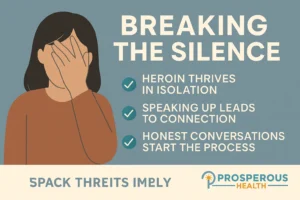
Heroin thrives in isolation. The secrecy fuels shame, and shame feeds the cycle of use. Telling someone isn’t just a confession—it’s an interruption of the spiral.
When you open up, you’re planting a marker: “I can’t keep doing this alone.” That single act of honesty turns isolation into connection and opens space for new possibilities.
Addiction is loud in your head, but quiet in the world outside. Talking lets someone else into that silence so you’re no longer the only one fighting the noise.
Choosing the Right Person
Not every person in your life is safe to tell. Trust is earned, and when it comes to something as personal as heroin use, choosing wisely matters. Look for someone who:
- Listens without interrupting. You need someone who hears before they judge.
- Shows compassion. They may not fully understand, but empathy matters more than perfect words.
- Keeps confidence. Trusting someone who can hold your words without spreading them gives you safety.
- Feels steady. The right person doesn’t need to have all the answers—they just need to be present and grounded.
This could be a parent, sibling, close friend, or mentor. If those feel unsafe, a counselor, sponsor, or even a recovery helpline can be the bridge. For many, talking to a professional first feels safer because they are trained to respond with compassion and guidance.
Preparing for the Conversation
Fear often spikes right before you share. Preparation can make the step feel less overwhelming. Here are ways to set yourself up:
- Keep it simple. You don’t need to explain your entire history in one conversation. Start with the truth: “I’ve been using heroin, and I don’t want to do this alone.”
- Choose a good setting. Pick a quiet, safe place where interruptions are unlikely. Some prefer a private space at home, others a public but calm location like a park.
- Prepare for emotions. Tears, shock, anger, or fear are normal. Expect them. Your honesty may stir emotions in both of you, but that doesn’t mean it’s the wrong move.
- Have resources ready. Bringing information about Heroin Addiction Treatment in San Diego can help shift the conversation from fear to hope.
Think of preparation not as scripting but as giving yourself tools so you don’t feel completely unanchored.
What to Say When You’re Ready
You don’t need perfect words. You only need honest ones. Here are a few simple phrases that can open the door:
- “There’s something I’ve been hiding, and I need to say it out loud.”
- “I’ve been using heroin, and I don’t want to keep living this way.”
- “I trust you, and I need help finding a way forward.”
These sentences are short, but they carry weight. What matters is that you break the silence. Once the door is cracked open, more words will come.
Handling Their Reaction
Expect that the person you tell will have their own emotions. They may cry. They may be angry or scared. They may stumble over their words. That doesn’t mean they don’t care—it means they do.
Your responsibility is not to control their feelings. Your role is to tell the truth. Their role is to process it in their own way. Give them space if needed, but remember: even if the initial reaction feels heavy, honesty often deepens trust over time.
Turning the Conversation Into Action
Talking is brave, but it’s only the beginning. What happens next matters just as much:
- Discuss treatment options together. Research local facilities or programs.
- Make a call. Even calling a center for information is a step forward.
- Explore support groups. Local NA meetings or recovery meetups in San Diego can provide connection.
- Take one step. That might be booking a consultation, signing up for outpatient therapy, or even just attending a single support group meeting.
Momentum starts small. Action, even in tiny steps, turns words into change.
When the First Conversation Doesn’t Go Well
Not every attempt goes smoothly. Sometimes the person you choose isn’t ready to hear it, or they respond with anger that feels unbearable. If that happens, don’t let it stop you.
Try again—with someone else. Or start with a professional. Or call a helpline. You’re not limited to one shot. Courage is often built over multiple tries.
A Metaphor to Hold On To
Heroin convinces you that silence is safety. But silence is like a locked room with no windows—it keeps you trapped. Talking is the act of opening a door. It may feel terrifying, but it also lets in light, air, and the possibility of walking out.
FAQs About Talking and Treatment
What if I’m not ready to stop using yet?
You don’t have to be ready for full recovery to start talking. Opening up is about creating support and reducing isolation. Even if you’re unsure about treatment, honesty is still a step toward change.
What if the person I tell reacts badly?
It’s possible. People react from their own fear or misunderstanding. If it happens, don’t take it as proof that you should stay silent. Reach out to someone else—whether a different trusted person or a professional.
What if I relapse after talking to someone?
Relapse does not erase your courage. In fact, reaching out may mean you already have someone to call when it happens. Progress isn’t about never falling—it’s about finding help faster when you do.
How can a loved one help me take the next step?
They can research treatment options, go with you to an appointment, or simply stay connected while you explore recovery. The goal isn’t for them to “fix” you but to walk with you as you take steps toward treatment.
What if I feel too ashamed to start the conversation?
Shame thrives in silence. Saying the words out loud can actually reduce the weight you’re carrying. Many people report feeling immediate relief after finally sharing the truth, even if the conversation is messy.
Final Word: You’re Not Alone
Talking about heroin use isn’t weakness—it’s courage. It’s standing at the edge of silence and deciding to step into connection. Whether the first person reacts with tears, questions, or even anger, the act of speaking truth begins to break heroin’s hold.
You don’t have to know exactly what recovery will look like to start. You only have to decide you won’t keep carrying this secret alone.
Call (888)308-4057 or visit Heroin Addiction Treatment in San Diego, CA to learn more about how we can walk this path with you.