

It didn’t look like a crisis.
There was no intervention. No DUI. No big scene at work. Just a professional who smiled when needed, hit every deadline, kept dinner on the table—and drank every night to stay afloat.
She was high-functioning. Until she wasn’t. Until sleep stopped coming. Until meetings felt like a performance. Until mornings came with regret, not relief. Until “just one drink” became a non-negotiable routine.
This is the story of one of those clients—the ones who don’t “look” like they need detox, but absolutely do.
We see people like this every week in our Outpatient Detox Program in San Diego. And the hardest part isn’t the withdrawal. It’s giving yourself permission to stop pretending you’re fine.
On the Surface, Everything Was Working
She came in during her lunch break. Business casual. Hair neat. She looked like she belonged at a boardroom table, not a detox intake.
She started talking before we even sat down:
“I’m not falling apart, exactly. I’m just tired. Of managing. Of hiding. Of needing something every night just to breathe.”
She wasn’t wrong. Nothing was “crashing.” No one had threatened her job. No one knew she was drinking to get through the week. But underneath the structure of her life was a growing exhaustion she couldn’t shake.
“I Thought Detox Was for Other People”
This line comes up more than you’d think.
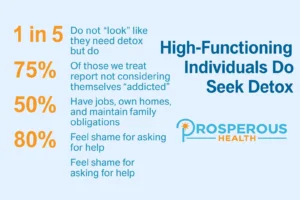
She told us she almost didn’t call—because she still got up for work, still packed her kids’ lunches, still held it together. She thought she’d be wasting a spot. Or worse, be told she wasn’t “addicted enough” to need support.
But here’s the truth: Outpatient detox isn’t just for emergencies. It’s for people who want to stop before things unravel.
She didn’t need punishment. She needed a plan.
Why Outpatient Detox Was the Right Fit
What made her say yes wasn’t just the care—it was the flexibility.
She didn’t want to go away for 30 days. She didn’t want to explain a mysterious “vacation” to her coworkers. She didn’t want her kids asking why she was gone.
With outpatient detox, she didn’t have to vanish from her life.
She could get:
- Medication-assisted support to reduce withdrawal symptoms
- Medical supervision to monitor vitals and progress
- Access to therapy and support groups
- Daily check-ins—without overnight stays
We helped her structure a detox plan around her real life—not the other way around.
For clients in other regions, we offer the same support at our Outpatient Detox Program in The Valley, CA and Outpatient Detox Program in Palos Verdes, CA.
High-Functioning Withdrawal Looks Different
She wasn’t shaking or vomiting or hallucinating. But her symptoms were very real:
- Restlessness at night
- Anxiety that didn’t respond to logic
- Panic if she couldn’t drink at the usual time
- Shame that clung to every “morning after”
She’d tried to quit before. She made it to day three once, then gave in just to feel “normal” again.
At Prosperous Health, we created a medically supported taper that helped her through those early days. We monitored her sleep, appetite, and mood—not just her sobriety.
And we asked questions she hadn’t heard in years:
“How are you doing—really?”
“What part of you is still carrying everything alone?”
The Shame Was Louder Than the Symptoms
She admitted this later:
“I wasn’t afraid detox wouldn’t work. I was afraid of looking weak for needing it.”
High-functioning clients often carry a specific kind of shame—the belief that asking for help is a form of failure.
She said things like:
- “I should be able to manage this myself.”
- “I know better.”
- “Other people have it worse.”
We had to name it: Self-reliance can turn into self-isolation. And independence doesn’t mean immunity.
She Didn’t Want to Be Saved—She Wanted Space
That was our turning point.
She didn’t want pity. She didn’t need a 12-step sponsor breathing down her neck. She wanted space—a structured, safe, non-performative environment where she could pause, feel, and reset.
Detox gave her that. It gave her mornings without fog. Meetings without panic. Sleep without sedation. It gave her back the space to ask: What kind of life do I want to be present for?
And more than anything, it gave her proof: she could function without drinking. For the first time in years.
She’s Still High-Functioning—Just Without the Hiding
A few weeks in, she smiled and said:
“I’m still busy. Still tired. But now I’m honest.”
She still has a packed schedule. Still gets stressed. Still juggles a full life. But now she does it without leaning on a substance to carry her through.
That’s what outpatient detox made possible. Not perfection—but presence.
If this sounds familiar, know this: You don’t have to burn your life down to qualify for care.
Frequently Asked Questions About Outpatient Detox
Can I do detox and still work?
Yes. Outpatient detox is designed to fit around real-life obligations. Many of our clients continue working (or take a few light days) while receiving medical and emotional support.
What if I don’t feel “bad enough” for detox?
If alcohol or substances have become something you need—not just want—it’s worth a conversation. You don’t have to hit rock bottom to start healing.
How long does outpatient detox take?
Every plan is personalized. Most detox processes last 5 to 10 days, but some clients benefit from a longer taper depending on their usage, medical history, and emotional readiness.
Will people know I’m in detox?
Only if you choose to tell them. Our program is private, confidential, and designed to respect your schedule and privacy. No overnight stays mean no unexplained absences unless you choose one.
Is this just for alcohol?
No. We support detox for alcohol, opioids, benzodiazepines, and other substances where medically managed withdrawal is important. The best way to know if it’s right for you is to schedule a confidential consult.
What happens after detox?
Detox is the first step. From there, many clients move into outpatient therapy, support groups, or other forms of care. We’ll help you build a plan that fits your life and goals—not a one-size-fits-all approach.
Ready to stop hiding and start healing?
Call (888)308-4057 to learn more about our Outpatient Detox Program services in San Diego, CA. You don’t need a collapse to qualify—just the desire to come back to yourself.