
Introduction: When “Normal” Starts to Feel Heavy
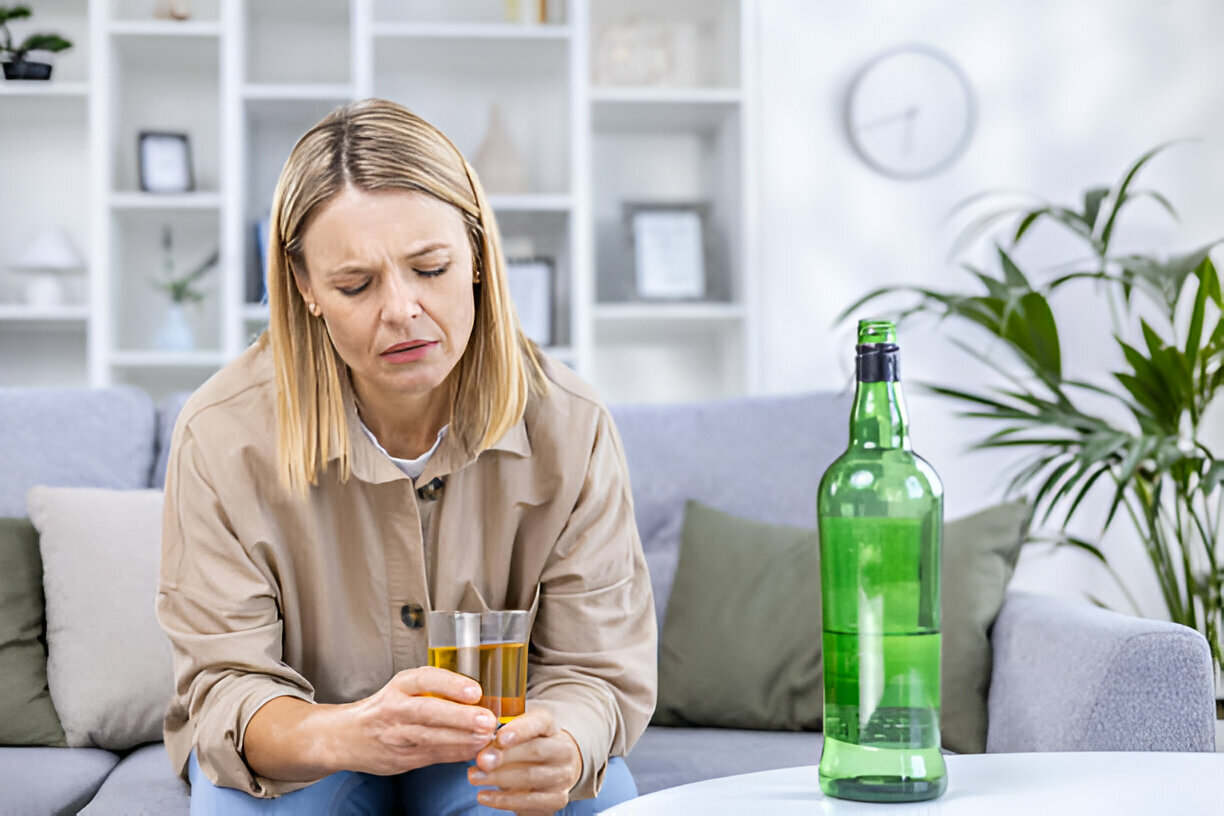
I never thought of myself as an alcoholic. I didn’t drink in basements or wake up in hospital beds. I had a good job, a good marriage, and a normal life. But I also had a secret: my evenings revolved around wine, starting early and lasting late.
It wasn’t dramatic—it was functional. Until it wasn’t.
I was burned out, disconnected from my family, and terrified of what I’d become. I cried at the slightest thing. I snapped at my kids. I couldn’t sleep. And the morning after each bottle was worse than the night before.
I didn’t need rock bottom to know something had to change. I wanted everything back: my clarity, my relationships, my purpose. I just didn’t know how.
That’s when I found Prosperous Health—and discovered that Alcohol Addiction Treatment in California could stick without wrecking my life.
1. The Call That Almost Didn’t Happen
I reached out after a particularly rough evening—a glass of wine slipped into sobs. I typed, Do you help people who aren’t “broken,” just tired?
The voice on the phone said, “You’re not too far gone. Tell me more.” That gentle refrain—no judgment, no labels—was the first drop of relief.
It felt possible. And so I took my first appointment.
2. A Plan That Respects Your Life, Not Demands You Leave It
The intake conversation surprised me. There was no checklist, no guilt. There were questions: What are your responsibilities? Your fears? They asked about my job, my kids, my community—as if that all mattered. And it did.
They designed an outpatient plan that worked around my life:
- Three evening sessions each week
- Telehealth check-ins when I couldn’t attend in person
- Emphasis on coping skills I could use immediately, at work and home
They weren’t breaking me down. They were building me up.
3. Real People, Real Talk: A Group That Feels Real
I’ll never forget walking into my first group session. Everyone was well-dressed, anxious, real. I expected judgment. I found understanding.
We talked about burnout, burden, the “one glass too many.” We didn’t have to reach rock bottom to connect. We just needed honesty.
That group became my anchor. Seeing others hold their stories gave me courage for mine.
4. Tools That Reach Into Real Life
They didn’t give me slogans. They gave me practice.
- Mindfulness when the 3 PM glass of wine called my name
- Boundary-setting when people pressure me to attend gatherings I wasn’t ready for
- Stress tools for when deadlines loom and wine seems like the only relief
- Relapse prevention maps for “just one drink” Fridays
These aren’t just relapse tips—they’re life skills. The same ones we all need.
5. The Moment Things Changed
I knew I was no longer “just treading water” when I realized I enjoyed time without thinking about alcohol.
One night, I watched a movie with my kids, falling asleep past bedtime—not worried about a drink. I felt real relaxation, with no residue. That felt miraculous.
I was healing. For real.
6. What Recovery Looks Like Now
It’s not perfect. I get tired. I get lonely. I still wake up sometimes with a wish to numb. But now I have a toolbox instead of a bottle.
Here’s what’s different:
- I laugh again—really laugh
- I connect again—with my partner, my children, my friends
- I sleep again—without juggling alarms or double-checking
- I live again—with intention, not just habit
Sobriety isn’t the endpoint—it’s the new beginning.
7. A Message to Anyone in Early Recovery
If you’re reading this and thinking I’m not broken enough, I don’t deserve care, know that you do.
You deserve care when:
- You lie about one more drink
- You feel guilty or fearful about what you’ll do
- You’re exhausted but still playing your part
- You feel lonely even in a room full of people
You don’t need a crisis to deserve recovery. You just need courage.
A Compassionate Path Forward
Reaching out felt like the hardest step. Now, it feels like the one I needed most.
At Prosperous Health in Southern California, we understand how lonely and isolating early recovery feels. That’s why our alcohol addiction treatment is tailored for people exactly like us: overwhelmed, capable, scared—and ready to heal.
Call (888) 308‑4057 or Contact Us to take that next step. No judgment. Just care.
Frequently Asked Questions
Q: I wasn’t an alcoholic by stereotypical standards. Will this program help me?
A: Yes. We support all whose drinking affects their lives—whether their lives look “broken” or just altered. Soft signs matter.
Q: Can I still handle my job and family while in treatment?
A: Absolutely. Our outpatient program is built so you don’t have to choose between recovery and responsibility.
Q: What if I slip up or relapse?
A: Relapse is not failure—it’s feedback. We reassess, adjust, and support you without shame.
Q: Will people at work know I’m in treatment?
A: Only if you choose to share. We protect your privacy and offer telehealth options for discretion.
Q: How long does treatment take?
A: Many clients begin with 8–12 weeks of outpatient care. From there, we evolve the plan based on progress—not arbitrary endings.