

In early recovery, loneliness can hit harder than expected. It’s not just the absence of alcohol—it’s the silence where old routines used to be, the ache where familiar faces once stood. You might catch yourself missing the exact people, places, and habits that once enabled your addiction. And even though you know they weren’t good for you, part of you still wants to go back. That part is human.
This kind of emotional dissonance is not only normal—it’s expected. At Prosperous Health, our approach to alcohol addiction treatment honors the emotional reality of early sobriety: the grief, the awkwardness, the quiet. Because healing isn’t just about staying away from alcohol—it’s about finding your way back to yourself.
Why do I miss people who were part of my drinking life?
Because at one point, they felt like connection.
Even if the relationships were chaotic or centered around substance use, they might have also included laughter, late-night talks, shared experiences, or a sense of belonging. Those moments were real—even if they existed inside a harmful dynamic.
In early sobriety, the loss of those connections can feel jarring. It’s not just that you’re avoiding people for your health—it’s that you’re grieving the version of yourself who once felt accepted, even if it came with a cost. Missing them doesn’t mean you want to relapse. It just means you remember what closeness felt like—even if it wasn’t safe.
Is it okay to miss places that I now know were harmful?
Yes. Memory isn’t black and white.
You may miss the corner bar where you felt known. The back patio where the music always played. The living room where every party ended with chaos, but also connection. Sometimes, you miss the environment because it held a version of you—one that didn’t have to feel, one that numbed well, one that survived.
But that doesn’t mean it’s where you belong now.
It’s possible to miss the comfort while also honoring the cost. Healing means acknowledging both—the good and the bad—and choosing to stay present anyway.
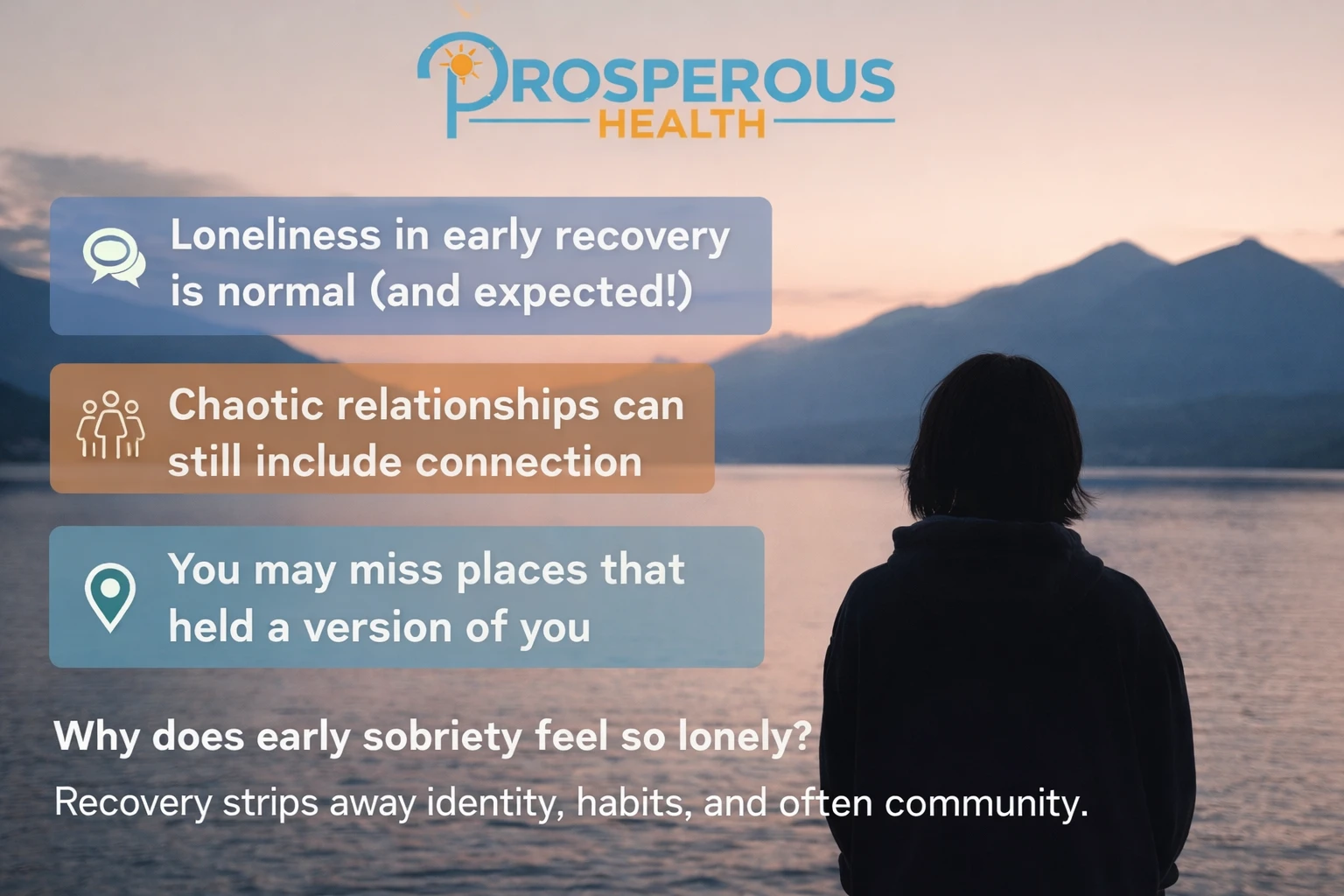
Why does early sobriety feel so lonely, even when I’m doing the “right things”?
Because early recovery strips away more than just alcohol—it strips away identity, habits, and often community.
At first, everything can feel too quiet. No background buzz, no excuses to disappear, no ready-made plans to fill the weekends. You’re sitting in the rawness of who you are without a buffer. That stillness can feel terrifying.
In truth, recovery isn’t the sudden arrival of peace—it’s the slow building of something new. And loneliness isn’t proof that you’re failing. It’s often proof that you’re no longer numbing. That you’re showing up—for better, for worse, for real.
What if I start to romanticize drinking again?
That’s a normal part of the process—and a red flag to watch.
Your brain may replay highlight reels: the fun nights, the wild stories, the freedom. But those memories are often edited. They skip over the hangovers, the regrets, the shame. This is your brain reaching for something familiar in the face of emotional discomfort.
When this happens, try to stay curious, not critical. Ask yourself:
What am I actually craving? Is it alcohol—or connection, relief, escape, joy?
Often, what we miss isn’t the substance. It’s the feeling it gave us temporarily. And recovery is about learning how to create those feelings sustainably—without self-destruction.
Can I rebuild relationships with people from my drinking past?
Maybe—but not right away.
Some people from your past may still be deep in their own struggles. Others may not understand or respect your recovery. And a few might truly want the best for you but don’t know how to support this version of you.
Early recovery is about protecting your space. That doesn’t mean cutting everyone off permanently. It means giving yourself permission to pause, to assess, and to prioritize your healing. Some relationships might come back around in time—but you don’t owe anyone immediate access to your growth.
What helps when the loneliness feels unbearable?
- Name it without shame. Say out loud: I feel lonely. That honesty defuses the power of secrecy.
- Reach for real connection. This doesn’t mean making five new friends overnight. It means texting someone safe. Going to a meeting. Saying yes to coffee with a sober peer.
- Create simple routines. Even walking the same block each morning builds familiarity. And that familiarity, over time, breeds comfort.
- Let yourself feel without fixing. Some nights will hurt. That’s not failure—it’s being alive.
- Find supportive spaces nearby. If you live near Palos Verdes, CA, consider visiting a local support group or community-based service that makes you feel seen for who you are becoming, not just who you were.
How do I know if it’s okay to return to a place I used to drink?
This depends on your stability, not just your desire.
If returning to that place stirs cravings, shame, or secrecy, it may not be time. But if you’ve done the emotional work, have support in place, and are returning for a reason rooted in strength—not avoidance—you might be ready.
The question isn’t just Can I go back there?
It’s Will going back serve who I am now?
Your safety—emotional and physical—should always come first.
I don’t want to be around other sober people. What does that mean?
This is more common than people talk about.
You might feel judged. Or awkward. Or just not ready to be seen without your old armor. Sober spaces can feel foreign—like trying to speak a language you don’t know yet.
But being in those rooms, even silently, plants seeds. You don’t have to show up perfectly. You just have to show up honestly. If you’re looking for a starting place in the Valley, CA, there are programs and communities available that respect your pace and your story.
What if the only people I feel connected to are still drinking?
That’s tough—and real.
When everyone in your circle drinks, choosing sobriety can feel like choosing isolation. But staying where you feel seen but unsafe is a slow erosion of everything you’re working for.
Start by widening your circle, even slightly. Follow recovery creators online. Join a forum. Sit in on a meeting, camera off. It doesn’t have to be perfect—it just has to begin.
You’re not meant to recover alone. But you are allowed to start alone until the right people appear.
When does the ache start to ease?
There’s no universal timeline—but it does get better.
One day, you’ll notice you went a whole afternoon without thinking about drinking. Another day, you’ll laugh—really laugh—without the help of anything outside yourself. Over time, the ache dulls. The missing becomes memory. And the loneliness becomes openness—space for the right people to come in.
Until then, let your longing be proof that you’re awake again.
What if I don’t feel “better” yet—should I still keep going?
Yes.
Recovery isn’t always about immediate reward. Sometimes, it’s about doing the next right thing even when it feels empty. Think of it like walking through fog. You might not see what’s ahead—but every step matters.
You’re building something that lasts. And just because it doesn’t feel good right now doesn’t mean it’s not good for you.
Final Thoughts: Missing Is Not Failing
Missing your old life, your old friends, or even your old habits isn’t proof that you’re slipping—it’s proof that you’re human. That grief you’re feeling? It means you’re letting go of something that mattered, even if it hurt you.
Give yourself permission to feel it without shame. Then give yourself permission to stay the course.
Need someone to talk to about what comes next?
Call (888) 308-4057 to learn more about our Alcohol Addiction Treatment in Orange County, California.