
You made it through detox. You stuck with treatment. You reached 90 days, maybe even more. For a while, life felt lighter—steady, hopeful, almost normal again. Then it happened: relapse.
If you’re reading this after slipping, you may feel like the ground gave out beneath you. The shame is loud. The questions are relentless. “How did this happen? I was doing everything right.”
Here’s the truth: relapse doesn’t erase your progress. And it doesn’t mean treatment failed. What it means is that recovery is both medical and human—a process wired into the brain, shaped by the body, and influenced by life itself. That’s where Heroin Addiction Treatment becomes more than a program—it becomes an anchor.
Why Relapse Happens: It’s Not Just About Willpower
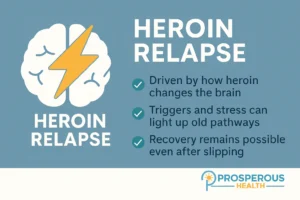
Relapse isn’t a moral failure. It’s not a lack of strength. It’s biology, psychology, and environment colliding. Heroin changes how the brain’s reward system functions. Even after detox, the wiring takes time to heal.
Stress, triggers, or even a random reminder can light up the same brain pathways that heroin once hijacked. And in moments of vulnerability, your body and mind can react as if use is the only solution. That’s not weakness—it’s science.
When you understand relapse as a conditioned response rather than a character flaw, the shame loses some of its grip. Instead of “I’m broken,” the narrative becomes, “My brain is healing, and this is part of the process.”
The Brain on Recovery
Think of your brain like a trail through a forest. For years, heroin carved a wide, well-trodden path. In recovery, you begin clearing new routes: healthy coping, therapy tools, community. But those new trails are narrow at first. When stress hits, your brain may default to the old highway—even if your heart doesn’t want to go there.
This is why relapse happens even when you’ve built good routines. The biology of recovery takes longer to rewire than we often expect. Neuroplasticity—the brain’s ability to form new pathways—is real, but it requires time, repetition, and reinforcement.
That’s why ongoing therapy, medication-assisted treatment when appropriate, and connection to recovery communities are so critical. They help strengthen those new neural trails until they become your brain’s new default.
Why 90 Days Feels Like a Cliff
Many alumni relapse around the 90-day mark. Why? Because that’s often when external structure shifts. Treatment sessions become less frequent. Supportive check-ins taper off. Family and friends start assuming you’re “better.”
Meanwhile, the brain is still recalibrating. Without daily reinforcement, cravings can feel sharper, not weaker. This mismatch—external expectations versus internal reality—creates a vulnerable window.
This is why continued care matters so much. Transitioning into outpatient services, alumni groups, or therapy keeps support steady while your brain continues its healing process.
The Role of Triggers and Stress
Relapse is rarely random. It’s usually a reaction.
- Environmental triggers: Passing by an old neighborhood, hearing a certain song, or smelling something associated with use.
- Emotional triggers: Loneliness, anger, stress, or even boredom can push you toward old coping patterns.
- Social triggers: Running into former using friends or attending parties where substances are present.
Stress acts like lighter fluid. Even small triggers can ignite cravings when stress levels are high. That’s why stress management—through therapy, mindfulness, exercise, or structured routines—isn’t optional in recovery; it’s essential.
Part of heroin addiction treatment in San Diego is learning to identify and manage these triggers. Not by eliminating every stressor—because that’s impossible—but by strengthening the new pathways so they hold when life presses in.
Why Relapse Isn’t the End
If you’ve relapsed, the shame can feel paralyzing. But relapse doesn’t mean you’re back at square one. Think of it more like a stumble on a long hike. You’ve already covered miles. Falling doesn’t erase the distance—it just means you need to get back up and keep moving.
Every relapse holds information: what triggered it, how you felt before, what support you didn’t have. That information becomes fuel for a stronger plan moving forward.
The science of relapse tells us it’s a risk, not a destiny. And recovery is never about perfection—it’s about persistence.
Turning Back Toward Treatment
The most important step after relapse is not hiding. Shame says “stay silent.” Recovery says “reach out.” Returning to Heroin Addiction Treatment in San Diego doesn’t mean failure—it means you’re choosing resilience.
Options may include:
- Re-engaging with outpatient care. Flexible sessions that fit into daily life while reinforcing recovery skills.
- Joining alumni groups. Staying connected with peers who understand what relapse feels like.
- Exploring medication-assisted treatment. Medications like buprenorphine or methadone can reduce cravings and lower relapse risk.
- Revisiting therapy. Working with a counselor to process the relapse and rebuild strategies for the future.
Each step forward, no matter how small, is evidence that you’re not giving up.
A Line to Remember
Recovery is not a straight road. It’s more like the ocean—waves that rise, crash, and rise again. Relapse is a wave, not a wall. It doesn’t stop you from reaching shore; it just asks you to keep swimming.
FAQs About Relapse and Recovery
Does relapse mean treatment failed?
No. Relapse means your treatment plan may need adjustment, not that it was worthless. Healing is complex. Many people relapse at least once and still achieve long-term recovery.
Can relapse be prevented?
Not entirely. Relapse is always a risk in recovery. But ongoing therapy, support groups, and relapse-prevention planning dramatically reduce the chances. The goal is not to eliminate risk but to build resilience.
Why do cravings feel so strong after months of sobriety?
Because brain pathways linked to heroin use can remain active long after detox. Stress or reminders can light them up suddenly. Over time, with support and new coping skills, those cravings typically lessen.
Is relapse common in heroin addiction?
Yes. Studies show relapse rates for heroin and opioids can be as high as 40–60%. That doesn’t mean recovery is impossible—it means continued support is essential.
How should I handle the shame after relapse?
Shame keeps people stuck. Talk about it with a counselor, sponsor, or trusted peer. Reframe relapse as part of the process, not the end of it. Courage isn’t never falling—it’s getting up again.
What’s the best next step after relapse?
Don’t isolate. Call your treatment provider, attend a meeting, or reach out to someone in your recovery network. Quick action after relapse reduces the risk of slipping further.
Final Word: You’re Not Alone
If relapse has shaken your confidence, know this: you are not broken. You are not back at the beginning. You are still on the path of recovery, and your story is far from over.
Heroin addiction treatment is not just about getting sober once—it’s about building resilience for moments like this. And it’s about reminding you that relapse is not the end. It’s just another part of the journey back to yourself.
Call (888)308-4057 or visit Heroin Addiction Treatment in San Diego, CA to learn how we can help you rise after relapse.