

You Left. Now You’re Wondering If You Can Return Without the Shame.
You didn’t mean to disappear.
Maybe it started with one missed session—because you had a meeting, or a family thing, or just couldn’t face the group that day. Then another week passed. Then a month. And now, the idea of returning to your Intensive Outpatient Program (IOP) feels tangled in fear.
You think:
“They probably think I gave up.”
“What will they say if I walk back in?”
“Do I even belong anymore?”
You’re not alone in wondering. And you’re definitely not the first person to leave treatment before it felt “done.” At Prosperous Health, we see people return to care all the time—and we never treat them like they failed.
In fact, sometimes coming back is the bravest thing you’ll ever do. Our IOP in San Diego was built for real people with real lives, detours included.
You’re Not the Only One Who Left Early
Let’s get this out of the way: leaving an IOP program doesn’t mean you weren’t committed. It just means you hit a wall—or needed space, or life got overwhelming.
We’ve seen it all:
- People who ghosted after one session
- People who left after a breakthrough scared them
- People who relapsed and didn’t know how to face the group
- People who felt too tired, too ashamed, or too “behind” to continue
You’re not an outlier. You’re human. And the shame you’re carrying? It doesn’t belong to you.
The Judgment You’re Afraid Of Usually Isn’t There
You may be rehearsing your return in your head:
What will the clinician say?
Will the group judge me?
Do I owe anyone an explanation?
Here’s the truth: most people in treatment know what it’s like to leave.
They’ve left before. Or thought about it. Or supported someone else who did.
When you walk back in, the reactions are rarely critical. More often, it’s:
- “Glad to see you again.”
- Nods of understanding
- Quiet relief—because maybe they’ve been where you are
You’re not walking into a courtroom. You’re walking into a room full of people who understand detours.
You Don’t Need the Perfect Explanation
You might be stuck thinking, “How do I explain why I left?”
Here’s the good news: you don’t have to.
Sure, your clinician might check in gently—just to understand how to support you now—but you’re not on trial. You’re not required to offer a detailed account.
If you want to say something, say something simple:
- “I wasn’t ready then.”
- “Life got in the way.”
- “I didn’t think I could do it—but I want to try again.”
You don’t need to justify your pain. You just need to show up.
Rejoining IOP Isn’t Starting Over
It’s natural to worry that you’ll be treated like a beginner again. That everything you said and did in your first round of IOP is now null and void.
But that’s not how it works.
At Prosperous Health, returning clients aren’t asked to erase the past—they’re invited to build on it. You may enter a new group, or reconnect with familiar faces, but your growth continues from where you left off.
If anything, your reentry shows strength—not weakness. It says:
“I know this work matters. And I’m not done yet.”
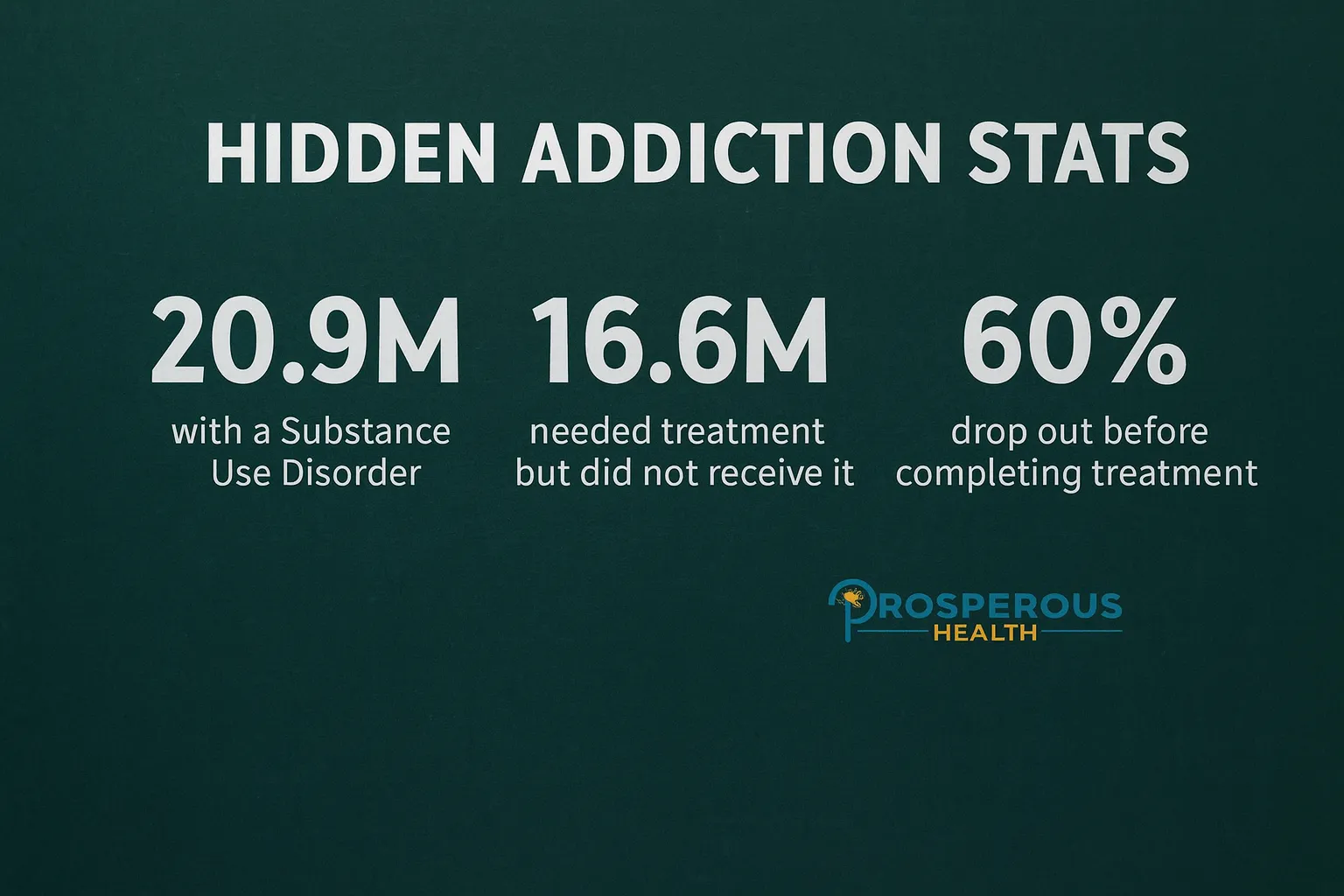
The Second Time Can Feel Different—in a Good Way
Plenty of people return to IOP with fresh eyes.
What felt overwhelming the first time might feel grounding now. The group you resisted sharing with might become a place of comfort. The skills you brushed off might finally click.
Sometimes you don’t get the full value of treatment the first time around—not because you failed, but because healing has stages. And yours might be ready now in a way it wasn’t before.
This isn’t a rewind. This is a continuation—with new insight and deeper readiness.
What You Might Discover When You Come Back
Here’s what we’ve heard from returning clients:
“I thought I’d feel ashamed. I felt relieved.”
“I didn’t realize how much I missed the group.”
“Coming back was awkward for like five minutes. Then it just felt right.”
“This time, I was honest. And everything changed.”
Sometimes, the most powerful moment isn’t when you first walk through the door. It’s when you choose to walk back in.
Whether you’re in San Diego or looking for Intensive Outpatient Program in The Valley, CA or Palos Verdes, we’ll help you reconnect—without shame or ceremony.
Returning Isn’t About Proving Anything—It’s About Letting Yourself Heal
You don’t have to prove you’re ready forever. You don’t have to prove you won’t leave again.
You just have to decide that this moment matters more than the fear.
And when you do return, know this:
- You are not being punished
- You are not being judged
- You are not the only one who needed a second try
You’re allowed to come back. You’re allowed to heal on a timeline that doesn’t look perfect.
FAQ: Returning to IOP When You’ve Dropped Out
Do I have to start over completely?
No. Your care plan will be adapted based on how long you were gone and what you need now. You’ll pick up from where you left off emotionally—not necessarily from session one.
Will the group know I left?
That depends on how long you were in group before. If you’re joining the same group, some people might remember you—but most are simply focused on their own journey. And clinicians set a welcoming, non-judgmental tone.
What if I relapsed while I was gone?
You’re still welcome. Many people return after a relapse. We’ll support you with compassion, not judgment—and help you move forward.
What if I’m afraid to face the same people again?
That’s valid. If needed, we can support a transition to a different group or location. The goal is to make you feel safe and supported—wherever that happens.
Is there a waitlist or re-admission process?
Reach out directly. We’ll guide you through the next steps quickly and confidentially—whether it’s a re-assessment or a simple return.
You’re Still Allowed to Heal
Recovery doesn’t follow a script. It breaks, pauses, reroutes. What matters isn’t that you stayed in perfectly—it’s that you’re still willing to come back.
You don’t owe us perfection. You don’t need to be “ready forever.” You just need to be open to the next step—and brave enough to take it.
Call (888)308-4057 or visit our Intensive Outpatient Program page to reconnect. No judgment. No guilt. Just a place where your return is seen as strength—not failure.